Column · @3d0umjcp4a
Why Senior Living with Greenery Creates a Better Quality of Life
When families start looking for an assisted living community, the first things they usually ask about are medical support, safety, and cost. Those are all important. But there is something else that quietly shapes how residents actually feel day to day, and it has to do with the landscape. In places like Venice, where the weather allows year-round outdoor time, the way a community uses its green spaces can make a real difference in mood, memory, and social connection.
I have visited many senior living communities over the years, and the ones that stand out are not always the ones with the fanciest buildings. They are the ones where you walk in and feel a sense of calm. That calm often comes from thoughtful landscaping. When a community invests in native plants, shade trees, and courtyard gardens, it sends a message that residents deserve more than just a room. They deserve a place that feels alive.
This is where the idea of senior living with greenery comes into focus. It is not about having a few potted plants by the entrance. It is about integrating the natural environment into daily life so that residents can interact with it, benefit from it, and feel connected to something bigger than their four walls.
The Science Behind Green Spaces and Aging Well
Research on therapeutic horticulture has been growing for decades. Studies show that access to green spaces can lower blood pressure, reduce stress hormones, and improve sleep. For older adults, especially those in memory care, being outside in a sensory garden can trigger positive memories and reduce agitation. The sight of a butterfly garden, the sound of bird feeders, the texture of leaves, and the smell of flowers all engage the senses in ways that indoor activities cannot replicate.
One study from the University of Michigan found that residents in senior communities with accessible outdoor seating areas and walking paths reported higher life satisfaction and lower rates of depression. These results are not surprising to anyone who has spent time around healing gardens. The real question is why more communities do not prioritize this.
Why Not Every Community Gets It Right
The challenge is that landscaping in Florida is not just about planting something pretty. It requires knowledge of Florida-friendly landscaping. You cannot just throw down grass and hope for the best. The heat, the humidity, the sandy soil, and the seasonal rains all demand careful plant selection. Native plants are the smart choice because they require less water and maintenance, and they attract local wildlife like butterflies and birds. But many communities still opt for high-maintenance tropical plants that look good for a few months and then struggle.
Another issue is accessibility. A garden is only useful if residents can actually get to it. I have seen beautiful gardens that are separated from the main building by a long walkway with no shade. In the Florida summer, that is a non-starter. Courtyard gardens that are directly connected to the main living areas are far more effective. They allow residents to step outside without a major effort. Walking paths should be smooth, wide enough for walkers and wheelchairs, and shaded by trees or pergolas.
When a community gets this right, the difference is obvious. Residents spend more time outdoors. They interact with each other more. They feel more independent because they can walk outside on their own. And that is the core of senior living with greenery: it supports independence and well-being through thoughtful design.
Memory Care and the Power of Nature
In memory care settings, the benefits of green spaces become even more pronounced. Many residents with dementia experience confusion and anxiety. A well-designed sensory garden can provide a calming environment. The repetition of walking a circular path, the familiarity of certain plants, and the gentle presence of birds can all reduce agitation without the need for medication.
Conservation landscaping that uses native plants also helps by creating a natural habitat that feels familiar to residents who grew up in Florida. Seeing a butterfly land on a flower can spark a conversation. Touching the soft leaves of a lamb's ear plant can ground someone who feels lost. These small moments are the essence of therapeutic horticulture. It is not about curing memory loss. It is about improving the quality of the time residents have.
Communities that offer respite stays often find that access to a healing garden helps guests adjust more quickly. A new environment can be overwhelming, especially for someone who has just left their home. Sitting in a quiet garden, watching birds at a feeder, or walking among shade trees can ease that transition.
Practical Ways to Make Greenery Part of Daily Life
It is one thing to have a beautiful landscape. It is another to integrate it into the daily routine. The most successful communities do not just have gardens; they use them. Community gardening programs, where residents can plant and tend to raised beds, are growing in popularity. Even residents who cannot do heavy work can participate by watering, picking flowers, or just sitting nearby and watching.
Garden therapy sessions led by trained staff or volunteers can focus on gentle exercise, cognitive stimulation, or simply relaxation. A simple activity like arranging cut flowers from the garden can improve fine motor skills and provide a sense of accomplishment.
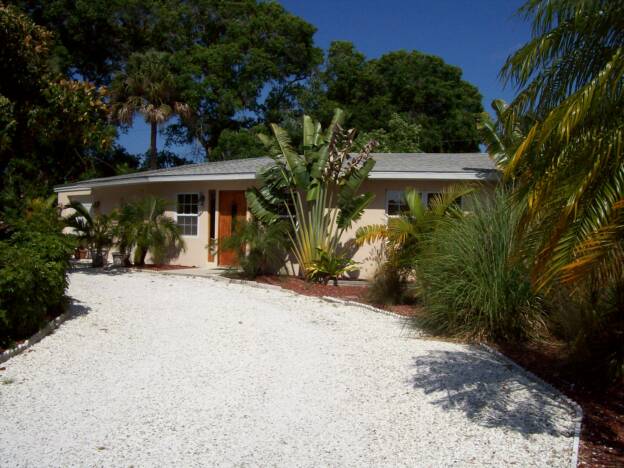
Here are a few features that make green spaces work well for seniors:
- Shaded outdoor seating areas with comfortable chairs that are easy to get in and out of
- Smooth, level walking paths that loop back to the building so residents do not get lost
- Raised garden beds at wheelchair height for easy access
- Butterfly gardens that attract pollinators and create visual interest
- Bird feeders placed near windows and seating areas so residents can watch without going outside
These are not expensive additions, but they require thoughtful planning. In Venice, where the climate is mild for much of the year, there is no excuse not to have these features. The challenge is making sure they are maintained. A neglected garden is worse than no garden at all because it signals a lack of care.
How Families Can Evaluate Green Spaces
If you are looking at senior communities for a loved one, do not just look at the brochure photos. Visit on a regular weekday. Walk through the outdoor areas yourself. Are there residents actually sitting outside, or are the benches empty? Are the plants healthy and well-watered? Is there shade? Can you hear birds? These small details tell you a lot about how the community values quality of life.
Ask about the gardening program. Is there a dedicated staff member who oversees it? Do residents have input on what gets planted? Are there activities tied to the garden, like flower arranging or bird watching? A community that takes its green spaces seriously will have answers to these questions.
When you find a place that genuinely integrates senior living with greenery into its philosophy, you will notice it. Residents will seem more relaxed. The air will feel different. And that difference matters, especially for someone who is adjusting to a new home.
A Thought on Balance
None of this is to say that greenery replaces medical care or trained staff. It does not. Assisted living is first and foremost about providing support for daily needs, managing medications, and ensuring safety. But the best communities understand that health is not just about the absence of illness. It is about having a life worth living. Green spaces are one of the most cost-effective ways to improve that life.
In memory care, the combination of skilled staff and a well-designed outdoor environment can reduce the need for antipsychotic medications and improve sleep patterns. In respite stays, a calming garden can make the difference between a stressful visit and a restful one. And for everyone, the simple pleasure of sitting under a shade tree on a warm afternoon is something that no pill can provide.
Final Thoughts
The best senior communities treat the outdoors as an extension of the indoor living space. They blur the line between inside and out, using courtyard gardens and covered patios to create places where residents want to spend time. They choose native plants because they are sustainable and beautiful. They build walking paths that invite exploration without causing confusion. They put bird feeders where everyone can see them.
This is not about landscaping for curb appeal. It is about landscaping for human well-being. And in a place like Venice, where the natural environment is already rich, there is no reason to settle for less. Whether you are choosing a community for yourself or for a loved one, pay attention to the greenery. It might be the most important detail you notice.